By Tyler Wilson, Copperhead Property Maintenance
Maintaining a vibrant and healthy lawn requires understanding the various tools available to homeowners, particularly when it comes to fertilizers. Organic and synthetic fertilizers serve as two primary options, each possessing unique characteristics, advantages, and disadvantages. This article will delve into their distinctions and guide homeowners in making informed decisions based on their lawn care needs. By examining the composition, functionality, and environmental impacts of each fertilizer type, readers will gain insights that shape their fertilization strategies. Understanding these key differences is essential for cultivating a thriving lawn—allowing for optimal soil health and grassroots vitality. The journey of selecting the right fertilization method includes exploring the nuances between organic and synthetic solutions, evaluating their respective pros and cons, and ultimately choosing the best fit for local conditions, particularly for homeowners in Lutz, FL.
Comparing Organic and Synthetic Fertilizers
Understanding the fundamental differences between organic and synthetic fertilizers starts with their definitions and compositions. Organic fertilizers are derived from natural sources, including plant and animal matter—providing not only nutrients but also enhancing soil health through their ability to promote microbial activity. In contrast, synthetic fertilizers consist of chemically manufactured compounds designed to deliver nutrients in concentrated forms, ensuring rapid absorption by plants. Each type affects lawn health and growth differently, which is crucial for homeowners looking to optimize their lawn care strategy.
What are Organic Fertilizers?
Organic fertilizers include a variety of products such as compost, manure, bone meal, and fish emulsion. These natural fertilizers promote soil structure and fertility while also enhancing microbial life, which benefits nutrient cycling. They typically release nutrients slowly, ensuring a more sustained effect on plant growth. The primary benefit of using organic options lies in their enhancement of long-term soil health, which reduces the need for chemical amendments and fosters an ecosystem that supports diverse plant life.
What are Synthetic Fertilizers?
Synthetic fertilizers, including ammonium nitrate, urea, and potassium sulfate, offer a quick nutrient release to plants. These chemically engineered fertilizers allow for targeted nutrient application, which significantly influences growth rates and yields. While effective in providing immediate nutrient availability, synthetic fertilizers can sometimes contribute to soil degradation and waterway pollution if misapplied. Therefore, understanding their chemical nature is essential for homeowners aiming to balance immediate lawn care needs with long-term ecological considerations.
Pros and Cons of Organic Fertilizers
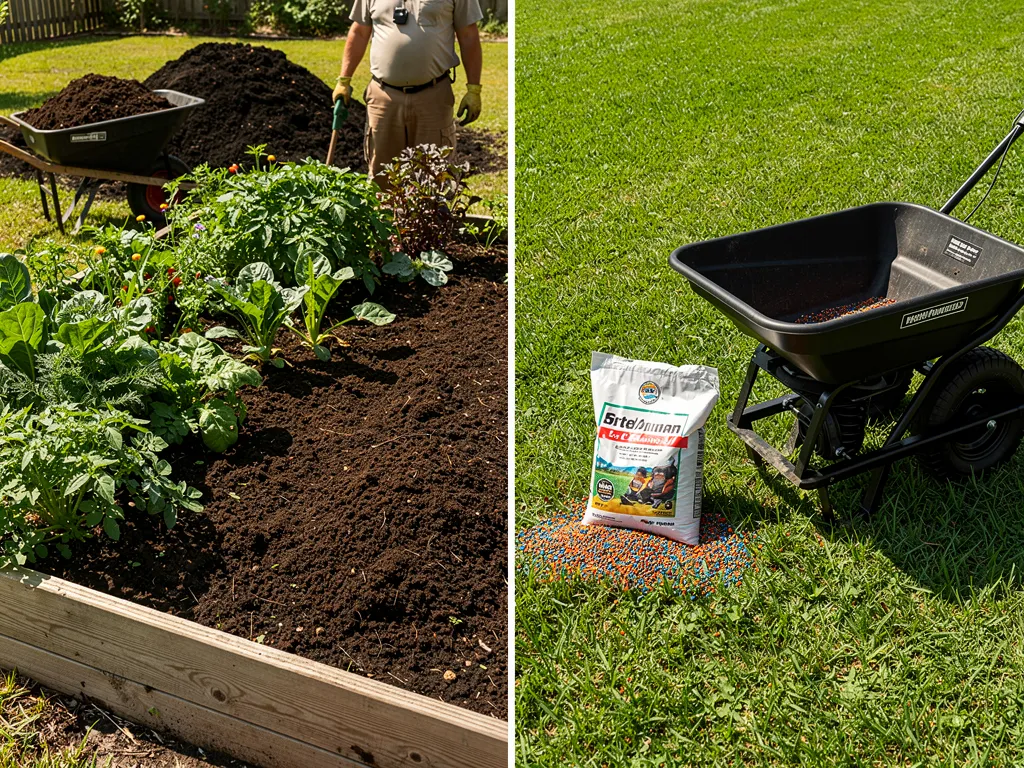
Organic fertilizers provide numerous benefits that enhance their appeal for conscientious homeowners. Key advantages include:
- Soil Health Improvement: Organic matter enriches the soil, promoting microbial activity and improving water retention.
- Environmental Safety: Naturally derived, they pose fewer risks of chemical runoff, making them safer for surrounding ecosystems.
- Sustainable Practices: Utilizing organic fertilizers aligns with environmentally friendly practices, appealing to eco-conscious consumers.
However, inherent challenges accompany organic options:
- Slow Nutrient Release: Nutrients are made available gradually, which may not meet immediate plant dietary needs.
- Application Complexity: Proper understanding of application rates and timing is necessary to optimize benefits, requiring more expertise.
A careful analysis of these factors helps homeowners weigh the advantages against potential drawbacks before deciding on fertilization strategies.
This study further reinforces the growing demand for reliable data on organic agriculture and its environmental effects compared to conventional methods.
Environmental Performance of Organic vs. Conventional Fertilization in Cultivation 1. As the scale of the organic cultivation sector keeps increasing, there is growing demand for reliable data on organic agriculture and its effect on the environment. Conventional agriculture uses chemical fertilizers and pesticides, whilst organic cultivation mainly relies on crop rotation and organic fertilizers. The aim of this work is to quantify and compare the environmental sustainability of typical conventional and organic pepper cultivation systems. Life cycle assessment of the environmental performance of conventional and organic methods of open field pepper cultivation system, 2017
Pros and Cons of Synthetic Fertilizers
Synthetic fertilizers boast their own set of advantages, including:
- Immediate Results: These fertilizers provide quick nutrient absorption, rapidly improving lawn greenness and growth rates.
- Precision Application: Homeowners can target specific nutrient deficiencies efficiently, tailoring applications to immediate lawn needs.
- Cost-Effective: Generally, synthetic fertilizers are less expensive than organic alternatives, making them attractive for budget-conscious consumers.
However, their use is not without disadvantages:
- Potential for Overuse: Misapplication can lead to nutrient runoff, resulting in ecological issues such as water pollution.
- Soil Degradation: Continuous reliance on synthetic nutrients can diminish soil health over time, leading to dependency on chemical inputs.
Homeowners must balance the ease of use and immediate benefits of synthetic fertilizers with the potential long-term ecological impacts they can create. For comprehensive lawn care, exploring specialized services can provide invaluable expertise. If you are in need of professional lawn maintenance, consider learning more about fertilization services tailored to your specific needs.
How Homeowners in Lutz, FL Can Choose the Right Option
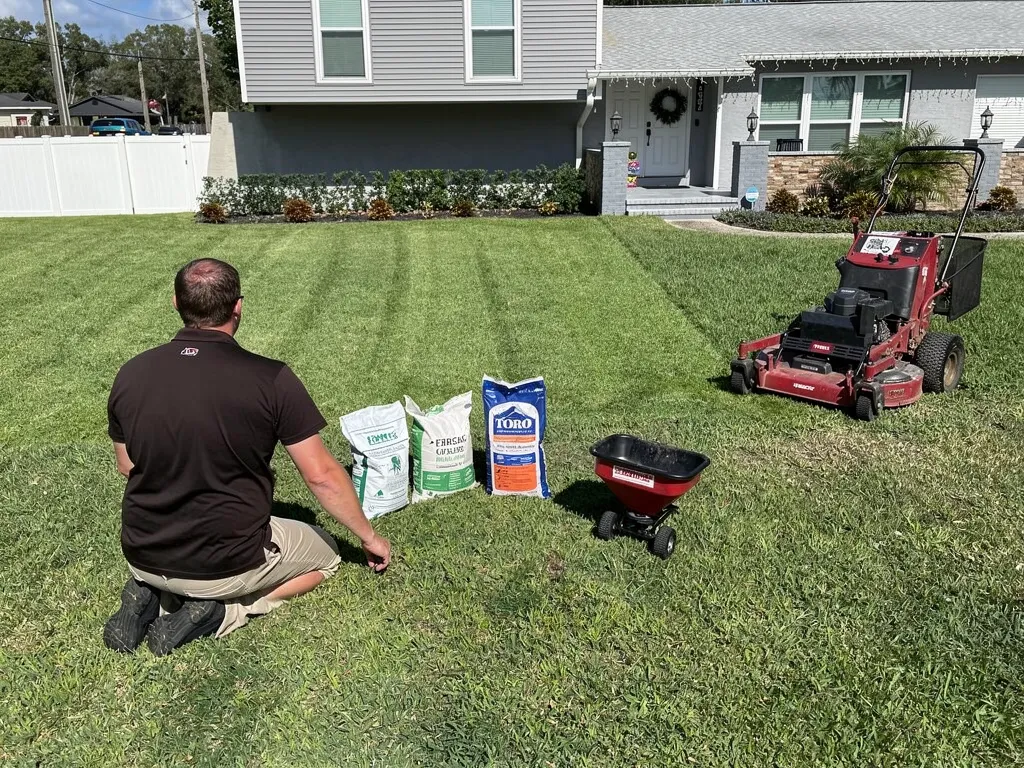
Choosing between organic and synthetic fertilizers for specific lawn needs involves considering local conditions, grass types, and individual preferences. Key factors to assess include:
- Soil Quality: Conducting soil tests to understand nutrient levels will guide the decision between organic amendments, which can enhance biological activity, versus synthetic options for quick fixes.
- Lawn Usage: Homeowners must determine the lawn’s primary use—whether for play, aesthetics, or functional purposes—as this can inform the necessity for immediate nutrient application versus sustainable development.
- Environmental Concerns: Evaluating personal values regarding ecological impacts should inform the choice of fertilizers—pursuing organic options may be preferred for environmentally conscious individuals.
For homeowners seeking to enhance their property’s aesthetic and functional appeal, expert assistance can be invaluable. Services such as landscape transformation can dramatically improve curb appeal and usability. Additionally, regular property clean-up ensures that your outdoor spaces remain pristine throughout the year.
This comparison highlights the importance of understanding both organic and synthetic fertilizers. Decisions based on local ecological conditions, lawn needs, and personal preferences will greatly impact the long-term health of lawns in Lutz, FL. Furthermore, ensuring proper water management through effective irrigation is crucial for overall lawn vitality. For those looking to establish new green spaces, reliable sod laying services can provide an instant, lush lawn. Finally, maintaining the aesthetic appeal of garden beds often involves mulching and rocking to suppress weeds and retain moisture.