Why Proper Lawn Care Makes a Bigger Difference Than You Think
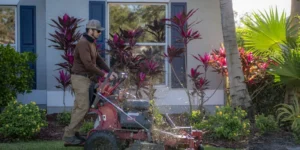
Lawn care is the regular practice of mowing, fertilizing, watering, and maintaining your grass to keep it healthy, green, and visually appealing year-round.
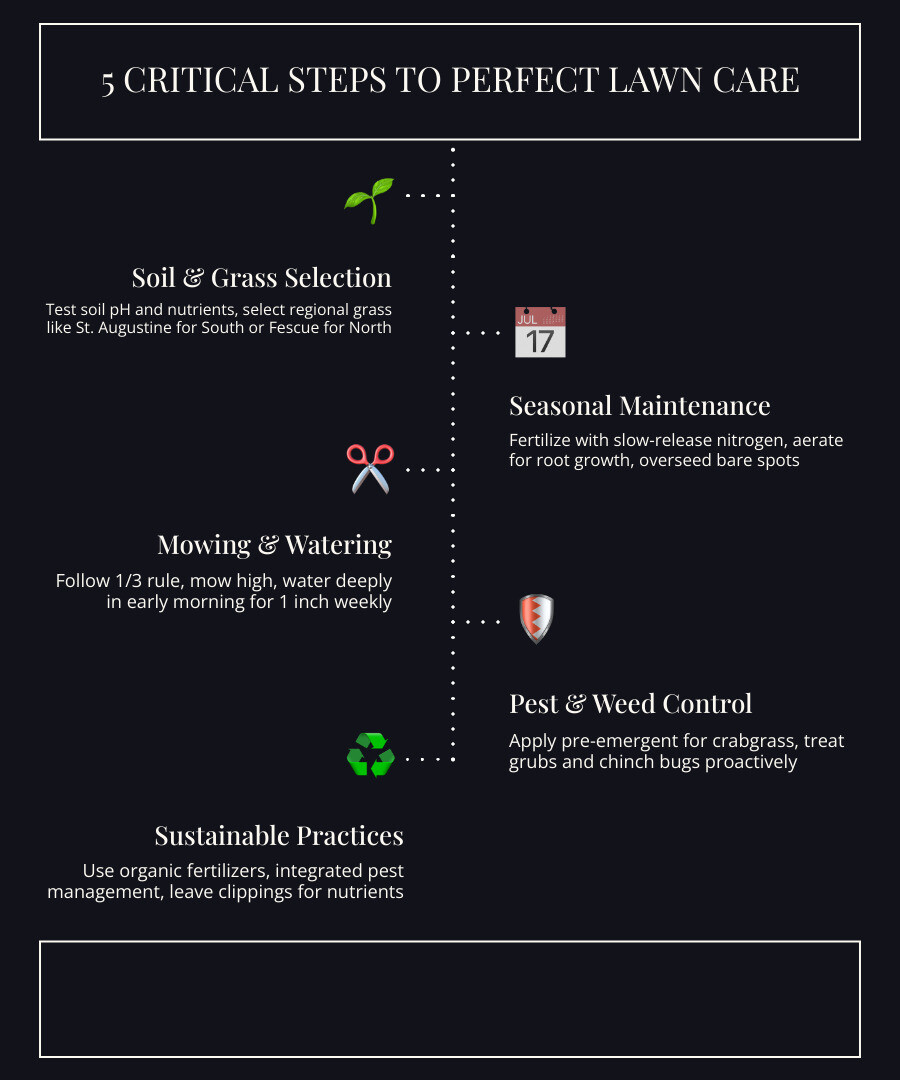
Here are the 5 critical steps to a perfect lawn:
- Test your soil and choose the right grass for your region and climate
- Follow a seasonal maintenance schedule for fertilizing, aerating, and overseeding
- Mow and water correctly using proven techniques like the 1/3 rule and early morning irrigation
- Control weeds, pests, and diseases before they spread and damage your turf
- Use sustainable practices to protect your lawn and the environment long-term
A healthy lawn does more than look good. It filters rainwater, improves air quality, and even sequesters carbon — making it a genuine environmental asset, not just a cosmetic one.
But here’s the reality for most Florida homeowners: the warm, humid climate in places like Lutz creates year-round growing conditions. That means your lawn never really gets a break — and neither does the maintenance it needs.
Overgrowth, patchy grass, and weeds can take over fast when care is inconsistent. And with Florida’s sandy soils, salt exposure, and intense summer heat, a one-size-fits-all approach simply doesn’t work.
I’m Tyler Wilson, owner of Copperhead Property Maintenance, and since founding the company in 2020 I’ve built my expertise in lawn care specifically for the Tampa Bay area — helping residential and commercial clients in Lutz and surrounding communities keep their properties looking their best, year-round. In this guide, I’ll walk you through exactly what it takes to get — and keep — a great-looking lawn.
Terms related to lawn care:
Step 1: Master the Science of Soil and Grass Selection
The foundation of any beautiful yard is a deep understanding of what is happening beneath the surface. You can throw all the water and fertilizer you want at a lawn, but if the grass variety doesn’t match the climate, or if the soil pH is off, you are essentially fighting a losing battle. In May 2026, we are seeing more homeowners move toward data-driven lawn care to avoid the guesswork that leads to wasted resources.
Regional Grass Types for Lawn Care
In the United States, turfgrass is generally categorized into three zones: the Northern Region (cool-season), the Transition Zone, and the Deep South/Gulf Region (warm-season). For our neighbors in Lutz, Land O’ Lakes, and Zephyrhills, we fall squarely into the warm-season category.
Warm-season grasses are specifically bred to withstand high heat stressors and, in our coastal areas, salty seacoasts. Selecting the right variety is the first step in our Sod vs Seed Guide for a Greener Yard.
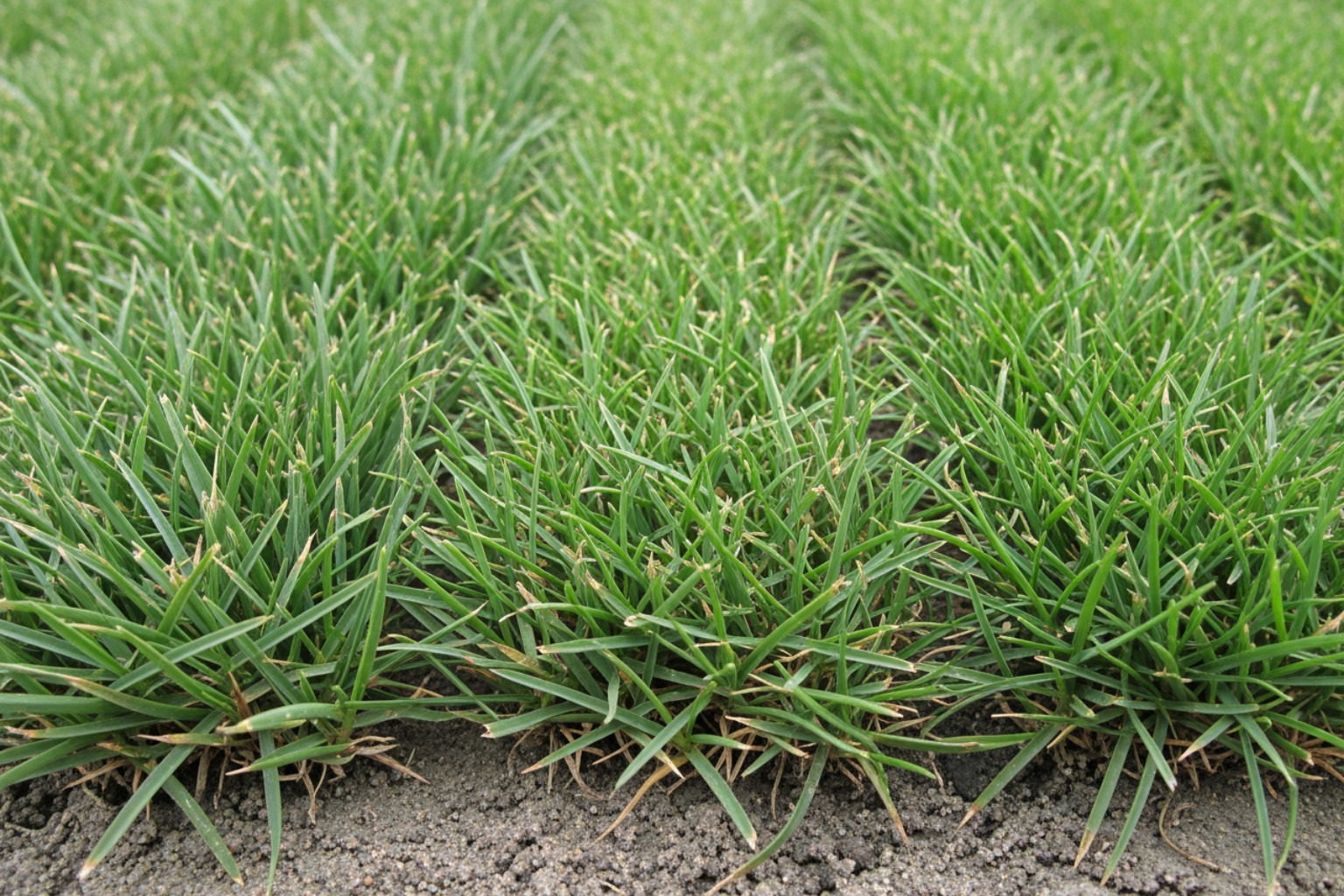
- St. Augustine: The king of Florida lawns. It is prized for its wide, coarse blades and deep blue-green color. It has excellent salt tolerance and is one of the better options for shaded yards.
- Bermuda: Common in high-traffic areas and golf courses. It is incredibly hardy and drought-resistant but requires full sun to thrive.
- Zoysia: A premium choice that offers a dense, carpet-like feel. It is drought-tolerant and handles foot traffic well while maintaining a lush look.
- Bahia: Often used for larger acreages or low-maintenance areas. It is tough and survives well in poor soils, though it isn’t as “pretty” as St. Augustine.
If you are starting from scratch or repairing a large area, professional Sod Laying is often the most reliable way to establish these warm-season varieties quickly. You can check our Service Areas to see if we can help you get established.
Soil Testing and pH Optimization
Before you apply a single bag of fertilizer, you must know your soil’s chemistry. A soil test determines the pH level and nutrient deficiencies that could be “locking” nutrients away from your grass.
In Florida, we often deal with sandy soils that struggle to hold onto nutrients. Proper lawn care involves adjusting the pH—usually through lime application to raise pH or sulfur treatments to lower it—so that the grass can actually “eat” the food you provide. Furthermore, be aware of phosphorus restrictions; many local ordinances limit phosphorus application unless a soil test proves a deficiency, as runoff can harm our local waterways.
Step 2: Implement a Strategic Lawn Care Schedule
One of the biggest mistakes homeowners make is treating their lawn only when it looks bad. Effective lawn care is proactive, not reactive. By the time your grass turns brown, the damage is already done. We recommend a structured approach that mirrors the natural growing cycles of our Florida turf.
Seasonal Fertilization and Aeration
For warm-season grasses, the “holiday schedule” (Memorial Day, July 4, Labor Day) is a great mnemonic, though in Florida, our growing season starts much earlier. We focus on Fertilization that utilizes slow-release nitrogen. This provides a steady stream of nutrients rather than a “spike” that causes excessive leaf growth at the expense of root health.
Core aeration is another vital component often overlooked. Over time, our soil becomes compacted, essentially “suffocating” the roots. Aeration involves removing small plugs of soil to allow oxygen, water, and nutrients to reach the root zone. We recommend this at least once a year when the grass is actively growing. For a deeper dive into the hot months, see our Complete Guide to Lawn Care in Summer.
| Season | Primary Task | Benefit |
|---|---|---|
| Spring | Pre-emergent & Light Feeding | Stops weeds before they start; wakes up grass. |
| Summer | High-Efficiency Irrigation & Mowing | Protects against heat stress and dehydration. |
| Autumn | Aeration & Root Strengthening | Relieves compaction and prepares for “dormancy.” |
| Winter | Spot Treatment & Equipment Care | Manages persistent weeds; sharpens mower blades. |
Repairing and Renovating Turf
Even with the best care, life happens. High traffic, flooding, or even deicing salts (if you’ve recently moved from the North!) can leave bare spots. Repairing these promptly is essential to prevent weeds from moving in. Whether you are dealing with a small patch or need a full Property Clean Up, addressing the “why” behind the bare spot—be it compaction, shade, or pests—is key to a long-term fix.
For those in the Odessa area, we’ve developed Odessa Lawn Care Plans That Won’t Leave You in the Weeds specifically to handle these common renovation challenges.
Step 3: Precision Mowing and Irrigation Techniques
Mowing is the most frequent lawn care task you’ll perform, yet it’s the one most often done incorrectly. Proper mowing isn’t just about making the grass shorter; it’s about managing the health of the plant.
Optimal Mowing for Lawn Care
The “1/3 Rule” is the golden law of mowing: never remove more than one-third of the grass blade in a single session. Cutting too short “shocks” the grass, forcing it to focus all its energy on regrowing leaves rather than deep roots. This can lead to yellowing and make the lawn more susceptible to pests.
- Warm-season height: Generally 1.5 to 3 inches (though St. Augustine prefers the higher end of that range).
- Blade Maintenance: Dull blades tear the grass rather than cutting it, leaving a brownish-white appearance and opening the door for disease. Sharpen your blades at least once a year.
- Clipping Management: Leave those clippings on the lawn! They are 90% water and return the equivalent of 1 pound of nitrogen per 1,000 square feet annually to your soil.
If you’re finding it hard to keep up with the frequency, our Residential Mowing service ensures professional standards every time. You can also learn How to Pick the Perfect Weekly Lawn Mowing Service to ensure you’re getting the quality your yard deserves.

Optimal Watering for Lawn Care
In Florida, watering is a science. Most lawns need about one inch of water per week, including rainfall.
- Timing: Always irrigate in the early morning (before 10 AM). This allows the grass to dry during the day, reducing the risk of fungal diseases that thrive in damp, nighttime conditions.
- Depth: Aim for deep, infrequent watering rather than short, daily bursts. You want the water to penetrate 6-8 inches deep to encourage roots to grow downward.
- Water-Saving: Check your Irrigation system regularly for broken heads or “geysers” that waste water and leave parts of your lawn thirsty.
Essential Equipment and Tools
To do the job right, you need the right tools. For basic maintenance, a broadcast/rotary spreader is essential for even fertilizer distribution. For larger properties or Commercial Maintenance, we use heavy-duty core aerators and precision string trimmers to ensure every edge is crisp and every square inch of soil can breathe.
Step 4: Proactive Weed, Pest, and Disease Management
A healthy lawn is the best defense against invaders. Research shows that proper mowing and fertilization can prevent 70% to 90% of all weed problems. However, even the best lawns face threats from pests and pathogens.
Identifying and Treating Lawn Diseases
Florida’s humidity is a breeding ground for fungal pathogens. Signs of disease include “frogeye” patterns (circular patches of dead grass with green in the middle), brown patches, or slimy textures.
- Thatch Management: While a half-inch of thatch is beneficial, anything more can trap fungus and bacteria near the soil surface.
- Mushrooms: While they might look unsightly, mushrooms are generally harmless and indicate that your soil is breaking down organic matter.
Understanding The Role of Lawn Mowing in Preventing Weeds and Pests in Florida Yards is crucial here; keeping the grass at the right height prevents sunlight from reaching weed seeds and keeps the turf dense enough to discourage pests.
Common Pests in the Tampa Bay Area
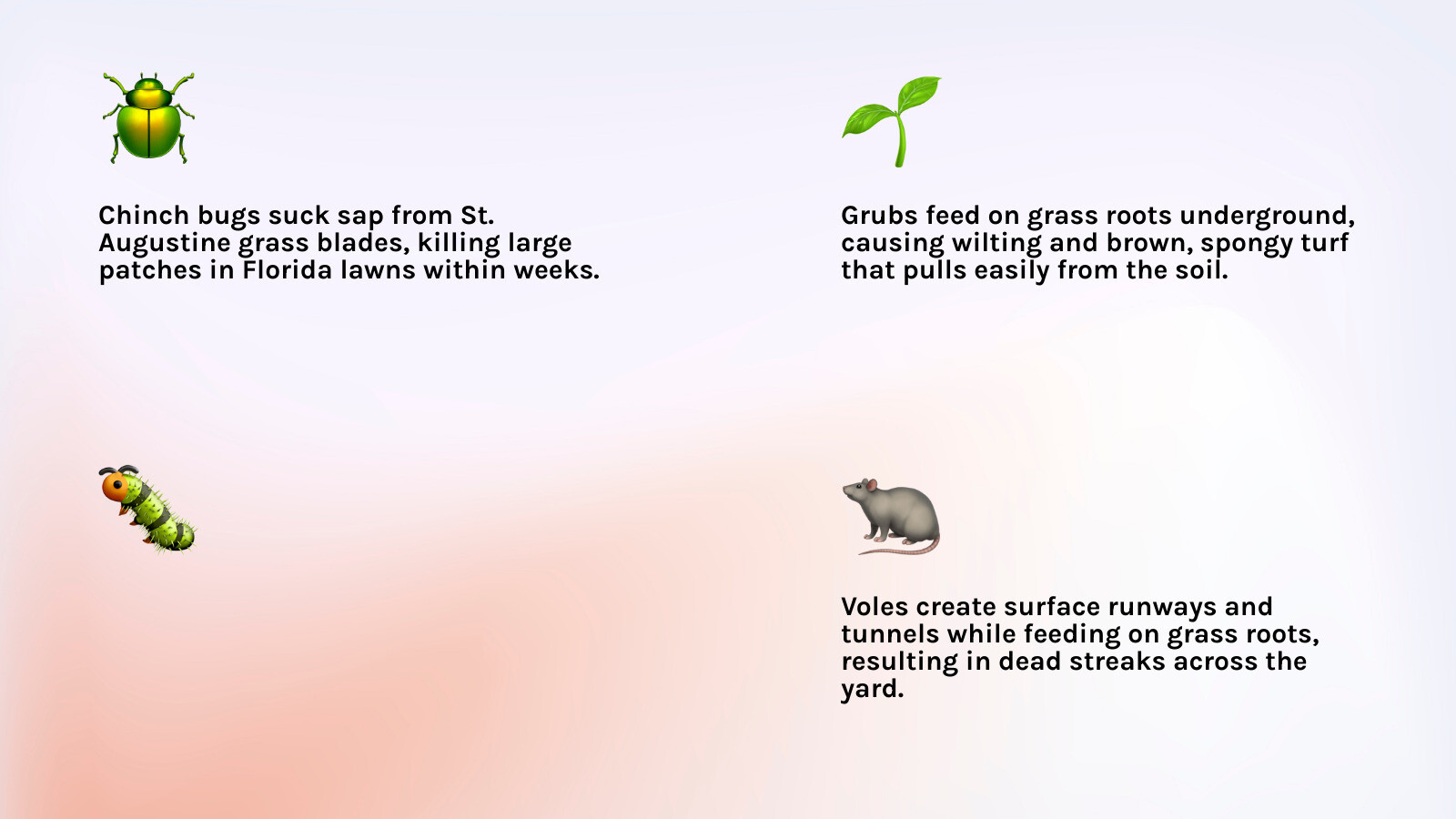
- Grubs and Chinch Bugs: These are the silent killers of Florida lawns. Chinch bugs, in particular, love St. Augustine grass and can kill large patches quickly by sucking the sap from the blades.
- Japanese Beetles and Voles: While more common in the North, these can still plague certain landscapes.
- Sod Webworms: These caterpillars chew on grass blades, leaving your lawn looking like it had a bad haircut.
Sustainable and Organic Alternatives
More homeowners are looking for “mystery-free” ingredients. Sustainable lawn care involves Integrated Pest Management (IPM), which uses the least toxic methods first. This might include using organic fertilizers or non-toxic spot treatments, like a mixture of white vinegar and dish soap for dandelions. We offer Monthly Lawn Care Plans That Keep Your Grass and Wallet Green that focus on long-term soil health rather than just “brute force” chemical applications.
Frequently Asked Questions about Lawn Care
When is the best time to aerate and overseed?
For our Florida lawns, the best time to aerate is during the late spring or early summer when the warm-season grass is growing most vigorously. This allows the grass to quickly fill in the holes left by the aerator. Overseeding is less common with St. Augustine (which is usually sodded or plugged), but for Bermuda or Bahia lawns, it’s best done in the spring.
How do I identify and control crabgrass effectively?
Crabgrass is a low-growing summer annual that spreads like a blanket. The most effective control is a pre-emergent herbicide applied in early spring before soil temperatures reach 65-70 degrees. Once it’s established, it’s much harder to kill without damaging your “good” grass, so timing is everything.
Should I leave grass clippings on my lawn after mowing?
Yes! As long as you are mowing regularly and not removing more than 1/3 of the blade, the clippings will decompose quickly. They return vital nutrients and nitrogen to the soil, acting as a natural, free fertilizer. Only bag your clippings if the lawn is diseased or if you’ve let the grass grow so long that the clippings would smother the turf.
Conclusion
Achieving a perfect lawn in Lutz, Land O’ Lakes, or Zephyrhills isn’t about luck—it’s about consistency and local expertise. At Copperhead Property Maintenance, we take pride in providing the professional attention to detail that transforms a simple yard into a community-focused curb appeal asset.
Whether you need a one-time Property Clean Up, a reliable Residential Mowing schedule, or a complete renovation, we are here to help. We understand the unique challenges of our Florida climate and are dedicated to keeping your outdoor space healthy and green.
If you’re ready to take the guesswork out of your yard, explore our services in Lutz FL and see how we stack up by reading The 5 Best Lawn Care Services in Lutz FL Compared. Let’s work together to make your lawn the envy of the neighborhood.