Organic Mulch: Boosting Soil Health and Plant Growth
When we talk about organic mulch, we are referring to materials that were once living, such as wood chips, shredded bark, pine straw, or even eucalyptus. In our local landscapes across Lutz and Land o’ Lakes, organic mulch is often the “gold standard” for anyone focused on the biological health of their garden.
The magic of organic mulch lies in its ability to mimic the natural forest floor. As these materials sit on top of your soil, they don’t just sit there—they participate in a process called nutrient cycling. Tiny microorganisms and earthworms slowly break down the mulch, turning it into rich organic matter that feeds your plants. This constant improvement of soil health is something you simply don’t get with inorganic covers like stone.
Beyond feeding the soil, organic mulch is a champion of moisture retention. In the intense Florida heat, bare soil can lose water rapidly through evaporation. A thick layer of mulch can reduce the need for irrigation by as much as 50% in perennial and shrub beds. It acts like a sponge, holding onto water and releasing it slowly to the roots. Furthermore, it serves as a thermal blanket, keeping the soil up to 10 degrees cooler in the summer and warmer during those rare winter cold snaps in Wesley Chapel.
Pros and Cons of Mulching and Rocking with Wood Products
Choosing wood-based products for mulching and rocking projects comes with a specific set of trade-offs.
The Pros:
- Boosted Growth: Research shows that mulching can nearly double how fast trees and plants grow because it reduces environmental stress.
- Erosion Control: Mulch breaks the impact of heavy Florida rain, preventing your topsoil from washing away during afternoon thunderstorms.
- Weed Suppression: By blocking sunlight from reaching the soil surface, mulch can reduce weed growth by up to two-thirds.
- Aesthetic Flexibility: Whether you want the deep red of stained mulch or the natural look of cypress, you can easily change the “vibe” of your yard every year.
The Cons:
- Annual Maintenance: Because it is biodegradable, organic mulch decomposes. You will likely need to top-dress or replace it every 1 to 2 years to keep it looking fresh and effective.
- Pest Attraction: If piled too high or placed directly against a house foundation, organic mulch can harbor pests like wood-roach species or even attract termites if not managed correctly.
- Nitrogen Tie-up: If you accidentally mix fresh, uncomposted wood chips into the soil rather than leaving them on top, they can temporarily “steal” nitrogen from your plants as they break down.
If you’re looking for a professional hand to get the depth just right, you can learn more about our mulching and rocking services to see how we handle these details for our clients.
Ideal Situations for Organic Mulch
We generally recommend organic mulch for “living” beds. If your landscape is filled with annual flowers, leafy shrubs, or young trees that are still trying to establish themselves, mulch is the way to go.
It is particularly vital for acid-loving plants common in our region, like azaleas or gardenias, as the slow decomposition of bark can help maintain a lower soil pH. If you are starting a vegetable garden or a seasonal color bed in Northdale, the ability to move mulch aside, plant, and then tuck it back in makes it much more user-friendly than heavy stone.
Landscaping with Rock: Durability and Modern Aesthetics

If organic mulch is the “nurturer,” then rocking is the “protector.” Using decorative gravel, river rock, or lava rock provides a level of permanence that wood products can’t match. For many homeowners in South Tampa or Odessa, the clean, crisp lines of a rock bed offer a modern aesthetic that complements contemporary architecture perfectly.
Rock is an inorganic material, meaning it won’t rot, fade quickly, or blow away in a stiff breeze. This makes it incredibly durable. While wood mulch might last a season or two, a well-installed rock bed can easily last 10 years or more with minimal intervention.
When to Choose Rocking Over Mulch
There are specific scenarios where we believe mulching and rocking with stone is the superior choice:
- High-Traffic Areas: If people (or dogs) frequently cut through a corner of your yard, mulch will quickly become a muddy mess. Rock stays put.
- Drainage and Erosion Zones: In areas with heavy runoff—like under a roofline without gutters—wood mulch will simply float away. Rocks act as a “French drain” of sorts, allowing water to infiltrate the soil rapidly. A thin layer of gravel can actually double the amount of precipitation that soaks into the ground.
- Fire-Prone Areas: Rock is non-flammable. In areas where wildfire risk is a concern, creating a “defensible space” with rock around the perimeter of the home is a smart safety move.
- Windy Spots: If your property is open and prone to wind, rocks provide the weight necessary to keep your ground cover on the ground rather than in your neighbor’s pool.
Impact of Rocks on Soil and Plant Health
While rocks are great for durability, they do change the environment of your garden beds. Unlike mulch, rocks do not add nutrients to the soil. In fact, they can make things a bit tougher for sensitive plants.
Rocks are excellent heat conductors. During a sunny day in Lutz, stones soak up the sun’s rays and continue to radiate that heat long after the sun goes down. This can stress out plants that aren’t heat-tolerant. Additionally, certain types of rocks, like limestone, can gradually raise the soil’s pH, making it more alkaline. This can be a problem for Florida’s acid-loving species.
When we install rock beds, we often suggest pairing them with “tough” plants like ornamental grasses, succulents, or established palms that can handle the extra heat and don’t mind the lack of organic supplementation.
Best Practices for Mulching and Rocking Your Landscape

Whether you choose wood or stone, the “how” is just as important as the “what.” Poor application is the leading cause of plant stress in landscaped beds.
For organic mulch, the “sweet spot” is a depth of 2 to 3 inches. If you go thinner, you won’t stop the weeds; if you go thicker, you might suffocate the plant roots by preventing oxygen exchange. For rocks, the depth depends on the size of the stone, but generally, a 2 to 4-inch layer is sufficient to provide full coverage and prevent the underlying soil (or fabric) from showing through.
One of the most important steps in rocking is the use of a high-quality, permeable landscape fabric. This keeps the rocks from sinking into the dirt over time and provides an extra layer of weed protection. However, we always ensure the fabric is “breathable” so water and air can still reach the roots.
If you want to ensure your beds are prepped and filled to the perfect specifications, our professional mulching and rocking services take the guesswork out of the process.
Common Mistakes in Mulching and Rocking
We see the same mistakes over and over again, and most are easily avoidable:
- Mulch Volcanoes: This is the most common crime against trees. Piling mulch high against the trunk traps moisture against the bark, leading to rot, fungal diseases, and “girdling” roots. Always keep mulch 3 to 4 inches away from the trunk, exposing the root flare.
- Ignoring Drainage: If you put rock in a low spot without ensuring the ground slopes away from your house, you might inadvertently create a pond that seeps into your foundation.
- Over-Application: More is not always better. A 6-inch layer of mulch can become “hydrophobic,” meaning it actually repels water instead of letting it soak through to your plants.
- Mixing Rock with Soil: Never just dump rocks onto bare dirt without a barrier. Within a year, the rocks will mix with the mud, making it impossible to clean and creating a perfect environment for weeds to grow on top of the rocks.
Combining Materials for a Hybrid Design
You don’t have to choose just one! In fact, many of the best-looking yards in neighborhoods like Cheval and Bexley use a “hybrid” approach. This is often called the mulchstone strategy.
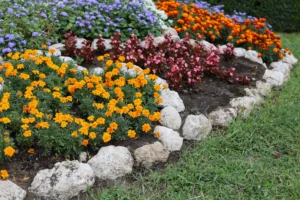
For example, you might use decorative river rock as a 12-inch border around the perimeter of your house foundation. This prevents pests from nesting right against your walls and keeps your siding clean from “mulch splash” during rain. Then, in the center of the bed where your flowers and shrubs live, you transition to organic mulch to give those plants the nutrients they need.
This creates a beautiful visual contrast—the rugged texture of the stone against the soft, dark look of the mulch—while giving you the functional benefits of both.
Frequently Asked Questions about Mulching and Rocking
Is it better to put mulch or rocks around a house foundation?
In Florida, we often lean toward rocks for the immediate perimeter of a house. Rocks don’t hold moisture against your foundation, which is better for structural stability and termite deterrence. They also allow for better drainage during our heavy downpours. However, make sure the soil underneath is graded so that water flows away from the house before the rocks are laid down.
Does rock mulch kill plants?
Not directly, but it can make their lives harder. The main risks are heat stress and lack of nutrients. If you use rock, you’ll need to be more diligent with your fertilization and irrigation schedules, as the rocks won’t provide any food and will cause the soil to dry out faster through heat radiation.
How often should I refresh my ground cover?
Organic mulch usually needs a “top-dress” (adding an inch or so to the top) every spring to maintain its color and depth. Rock, on the other hand, rarely needs replacing. You might need to hose it down once a year to remove dust and debris, or add a small amount of “top-off” stone every 5 to 10 years if the layer starts to look thin.
Conclusion
Choosing between mulching and rocking doesn’t have to be a coin toss. If you want a lush, thriving garden that gets better every year, organic mulch is your best friend. If you want a clean, modern, set-it-and-forget-it landscape that handles heavy rain and wind with ease, decorative rock is the winner.
At Copperhead Property Maintenance, we specialize in helping homeowners across Lutz, Wesley Chapel, and the surrounding areas find the perfect balance for their unique properties. We pride ourselves on our professional attention to detail—from ensuring your tree flares are visible to installing the highest-quality weed barriers.
Ready to give your curb appeal a massive boost? Transform your yard with professional mulching and rocking and let us handle the heavy lifting while you enjoy the results.