Lawn fungus treatment requires early identification and targeted fungicide application to prevent spread. Copperhead Property Maintenance recommends products like Scotts DiseaseEx or BioAdvanced Fungus Control for affected St. Augustine or Zoysia turf. Professional application ensures proper coverage and timing, stopping brown patch and pythium blight before permanent damage occurs.
Key Takeaways
- Early detection of fungal diseases prevents widespread destruction that requires costly lawn restoration.
- Florida’s humidity and warm nights create ideal conditions for fungal growth on St. Augustine and Zoysia grasses.
- Daily observation during wet seasons helps spot irregular discoloration, thinning patches, and unusual grass blade textures.
- Professional intervention becomes valuable when disease identification proves difficult or large areas require treatment.
What is lawn fungus and how do I spot it?
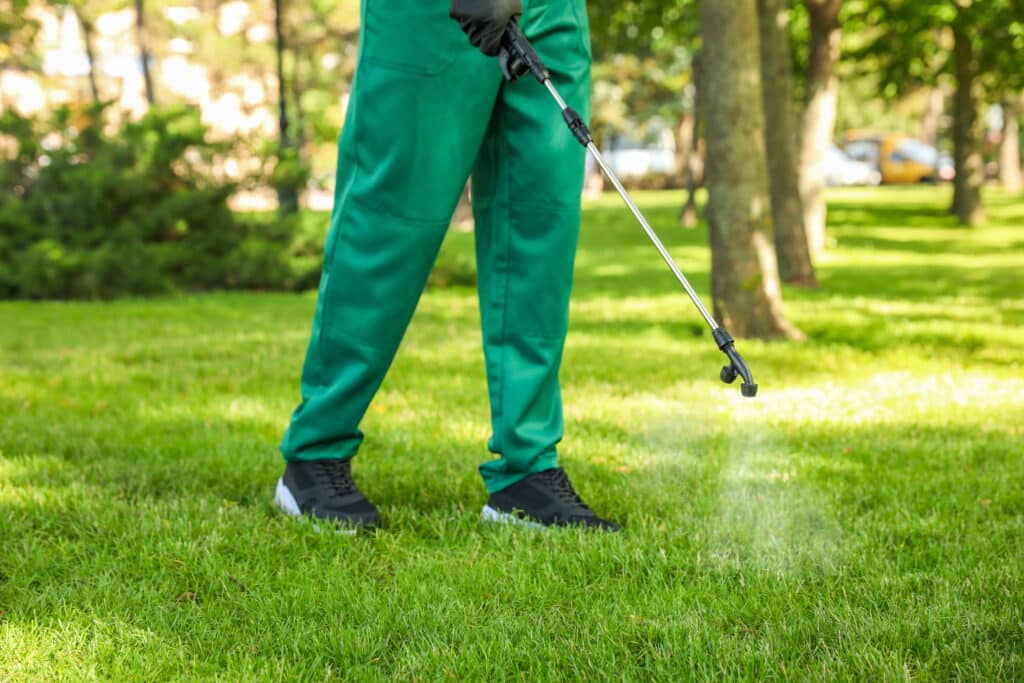
Lawn fungus is a living organism that attacks turfgrass, causing discoloration and tissue damage. The pathogens responsible for these outbreaks survive in thatch, soil, and even on lawn equipment, waiting for the right combination of moisture and temperature to begin spreading. Early detection prevents widespread destruction that ruins a property’s curb appeal and requires costly restoration. Homeowners who miss the initial signs often face complete lawn replacement within a single growing season, since unchecked fungal colonies can move from a few discolored blades to entire sections of turf within weeks. Recognizing the warning signs early, rather than waiting for obvious dead patches, gives a homeowner far more treatment options and a much better chance of saving the existing grass.
Fungal diseases start subtly. Discolored spots on turf indicate developing issues. Many lawn fungus treatment challenges begin with symptoms that are easy to overlook. According to Productive Parks, some fungal lawn diseases are more severe than others. Understanding the often subtle differences among diseases helps determine the most appropriate care for the affected area.
What does early-stage lawn fungus look like?
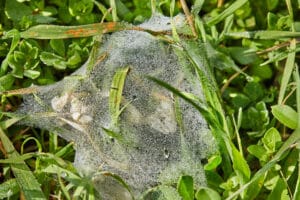
Early fungal activity appears as small yellow or brown patches. Grass blades develop spots or lesions before the turf thins out. Circular rings with darker borders signal active infection spreading outward. Morning dew reveals cottony or powdery growth on affected areas.
Why does fungus spread so fast in Florida lawns?
Florida’s humidity and warm nights create ideal conditions for fungal growth. St. Augustine and Zoysia grasses hold moisture at the soil line, accelerating spore development, especially when overnight temperatures stay warm enough to keep the turf canopy damp until well after sunrise. Dense thatch layers and compacted soil compound the problem by trapping humidity close to the grass blades, giving fungal spores a stable, moist environment to germinate and multiply. Copperhead Property Maintenance serves Lutz, FL, and understands local soil and weather patterns that drive these outbreaks. The company’s familiarity with regional turf varieties allows for precise identification before damage escalates, since a disease that looks similar on paper can behave very differently depending on whether it is affecting St. Augustine, Zoysia, or Bahiagrass.
Spotting fungus early requires daily observation during wet seasons. Look for irregular discoloration, thinning patches, and unusual textures on grass blades. Quick action preserves the lawn’s health and avoids the expense of full renovation.
What tools and materials do I need for treatment?
Effective lawn fungus treatment starts with the right products and application tools. A homeowner needs a targeted fungicide, proper protective gear, and equipment that ensures even coverage across affected turf. Missing any of these components leads to incomplete disease control and recurring damage.
What type of fungicide works best for common lawn diseases?
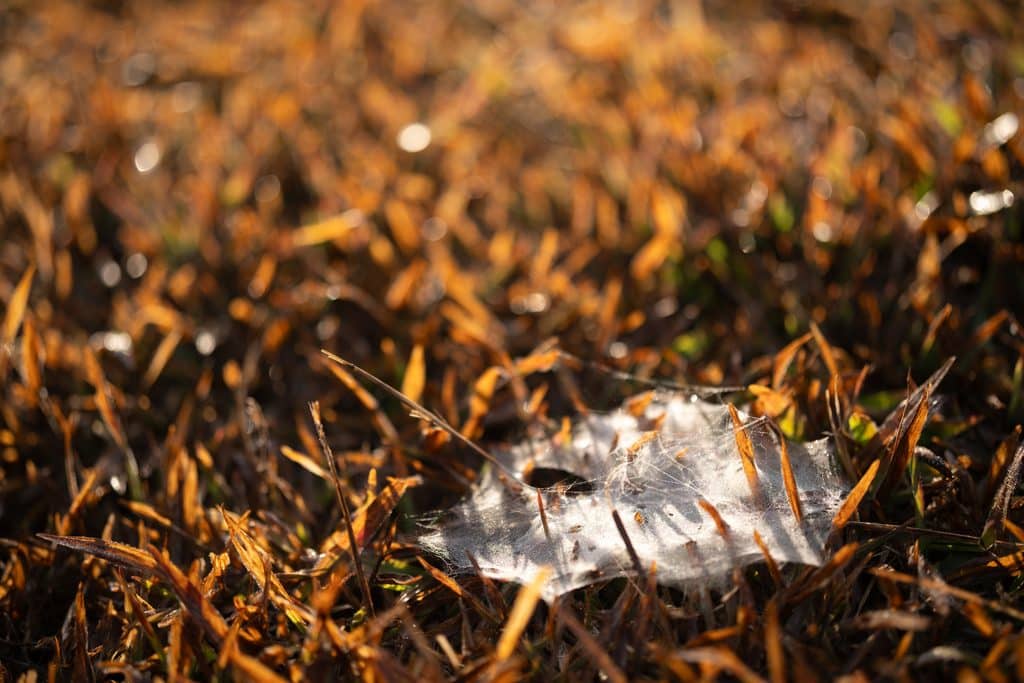
Granular fungicides offer broad-spectrum control for multiple diseases. Scotts DiseaseEx controls and prevents brown patch, Pythium blight, and other listed diseases, treating up to 5,000 square feet per application. This product type suits homeowners who prefer a spreader-based application method.
Liquid concentrates provide an alternative with extended residual activity. BioAdvanced Fungus Control for Lawns cures and prevents lawn diseases with up to one month of protection. The ready-to-spray formulation covers 5,000 square feet and eliminates the need for mixing or measuring.
What application equipment does the job require?
A broadcast or drop spreader distributes granular fungicide evenly across the turf. Uneven application creates untreated pockets where disease persists and spreads. For liquid products, a hose-end sprayer or pump sprayer delivers consistent coverage. Calibrating the equipment before use prevents over-application and product waste.
Personal protective equipment remains essential during any chemical application. Gloves, long sleeves, closed-toe shoes, and safety glasses shield the skin and eyes from contact with active ingredients.
When should professional services handle the treatment?
Copperhead Property Maintenance combines professional equipment with careful attention to detail for all services. The company treats every yard with the same care applied to its own properties. [Fertilization services from Copperhead support lawn health and disease resistance, addressing the underlying conditions that invite fungal outbreaks. Professional intervention becomes valuable when disease identification proves difficult or when large areas require treatment.
How do I identify common fungal diseases in my lawn?
Fungal diseases in Central Florida lawns often begin with subtle discoloration before developing into visible damage. Lawn fungus treatment starts with accurate identification of the specific disease affecting the turf. Discolored spots on turf signal potential fungal issues that need diagnosis. Many lawn diseases start much more subtly than homeowners expect.
What does Large Patch disease look like in St. Augustine grass?
Large Patch appears as circular discolored areas that expand outward over time. The disease thrives in warm, humid conditions common to Central Florida. Affected grass blades show lesions at the base. The patches often have a distinct border between healthy and damaged turf. Copperhead Property Maintenance treats every yard as if it were the company’s own, ensuring careful diagnosis of conditions like Large Patch before recommending treatment.
How is Take-All Root Rot different from other lawn fungi?
Take-All Root Rot affects the root system rather than just the blades. This disease causes general thinning and yellowing across the lawn rather than distinct circular patches, which makes it harder to diagnose at a glance and easy to mistake for ordinary drought stress or nutrient deficiency. Roots become short, dark, and rotten when examined closely, often breaking off at the crown with only light pressure. The damage often appears first in stressed areas near driveways or sidewalks, where heat reflecting off concrete and reduced soil volume already put the turf at a disadvantage before the fungus takes hold. Because the visible symptoms lag behind the actual root damage, by the time yellowing becomes obvious across a wide area, the disease has often been active below the surface for weeks or months.
Understanding the differences among diseases is essential for appropriate care. Follow these identification steps:
- Examine the pattern of discoloration across the lawn, noting whether damage appears in circles, irregular patches, or uniform thinning.
- Inspect individual grass blades for lesions, spots, or unusual coloring at the base and tip.
- Check root health by gently pulling affected grass to assess root depth and color.
- Note recent weather conditions, as humidity and rainfall patterns influence which fungi develop.
- Document the affected areas with photos to track whether the problem spreads over days or weeks.
Large Patch and Take-All Root Rot rank among the most common turf diseases in Central Florida lawns. Proper diagnosis determines whether a property needs targeted fungicide application or cultural practice adjustments. A thorough lawn care approach, including the 5 essential steps for perfect turf, strengthens grass against future fungal pressure.
What are the steps to apply lawn fungus treatment?
Effective lawn fungus treatment begins with accurate disease identification and ends with consistent aftercare. Skipping any step allows the infection to return, often more aggressively than before. The following procedure outlines a reliable application sequence for Central Florida turf.
What should a homeowner do before applying any fungicide?
Preparation determines whether the treatment succeeds or fails. Mow the lawn one to two days before application to expose the soil surface and improve product contact, since tall grass blades can intercept fungicide before it ever reaches the base of the plant or the soil line where many pathogens live. Remove thick thatch layers that trap moisture and shelter fungal spores, as a thatch layer thicker than half an inch can shield spores from direct contact with the product and shorten its effective life. Water the turf lightly the morning of treatment so the grass is hydrated but not saturated; overly dry turf can absorb fungicide unevenly, while saturated soil dilutes the active ingredient before it has a chance to work.
- Identify the active disease. Examine discolored patches closely. Brown patch creates circular yellow rings, while gray leaf spot produces irregular bleached lesions. Misidentification leads to ineffective product selection and wasted application time.
- Select the appropriate fungicide formulation. Ready-to-spray liquids and granular products both deliver coverage up to 5,000 square feet, as noted in product specifications from major manufacturers. Scotts DiseaseEx granular fungicide treats up to 5,000 square feet and controls brown patch, pythium blight, and other listed diseases. Liquid concentrates offer one month of protection when applied through a hose-end sprayer.
- Apply at the correct rate and time. Spread granular products evenly using a calibrated broadcast spreader. Walk at a steady pace to avoid gaps or overlaps. Spray liquid fungicides in the early morning when temperatures stay below 85 degrees Fahrenheit and wind is minimal. Early application prevents rapid evaporation that reduces absorption.
- Water lightly after granular application. A brief irrigation cycle moves the active ingredient into the thatch layer where pathogens reside. Avoid heavy watering that washes the product past the root zone.
- Repeat according to label intervals. Most lawn diseases require a second application 14 to 28 days later. Skipping the follow-up treatment leaves surviving spores to recolonize the turf within weeks.
How does ongoing maintenance prevent fungus from returning?
Consistent mowing schedules promote healthier grass that resists disease. Copperhead Property Maintenance provides fertilization services that complement fungus treatment programs, strengthening root systems and improving turf resilience. The company offers monthly subscriptions for worry-free maintenance year-round, ensuring mowing, nutrition, and monitoring stay on track through every season.
How can I prevent lawn fungus from coming back?
Preventing lawn fungus recurrence requires consistent cultural practices and professional oversight. Adjusting irrigation is a key strategy to prevent recurrence of fungal diseases, since even a well-timed fungicide application only buys time if the underlying moisture and stress conditions that invited the disease remain unchanged. Several proactive measures help stop fungal issues before they take hold, and the most effective lawns in Central Florida rely on a combination of smart watering, correct mowing, routine fertilization, and regular visual monitoring rather than any single fix.
What irrigation changes stop fungus from returning?
Watering schedules directly influence fungal pressure on St. Augustine, Zoysia, and Bahiagrass turf. Copperhead Property Maintenance offers irrigation services tailored to Florida’s unique environmental challenges. Proper system calibration reduces standing moisture that fuels disease cycles. Homeowners benefit from professional irrigation services in Lutz, FL that address drainage and coverage gaps.
What ongoing maintenance keeps lawns fungus-resistant?
Consistent care prevents the conditions fungi need to spread. The company’s monthly subscriptions provide consistent care that keeps lawns healthy year-round. Regular mowing at correct heights improves airflow across the turf canopy. Scheduled fertilization strengthens root systems against stress and infection.
Lawn fungus treatment works best when paired with prevention. Follow these steps in order:
- Adjust irrigation timing to early morning hours.
- Reduce watering frequency during humid periods.
- Maintain proper mowing height for the grass variety.
- Schedule routine fertilization through a maintenance plan.
- Monitor turf weekly for discolored patches or rings.
A proactive maintenance routine eliminates the moisture and stress conditions that allow fungal diseases to return.
FAQ
What fungicides does Copperhead Property Maintenance recommend for lawn fungus treatment?
Copperhead Property Maintenance recommends Scotts DiseaseEx or BioAdvanced Fungus Control for affected St. Augustine or Zoysia turf.
Why does lawn fungus spread so fast in Florida lawns?
Florida’s humidity and warm nights create ideal conditions for fungal growth on St. Augustine and Zoysia grasses.
When should I call a professional for lawn fungus treatment?
Professional intervention becomes valuable when disease identification proves difficult or when large areas require treatment.
Conclusion
Lawn fungus treatment succeeds when accurate identification, correct product selection, and consistent aftercare work together as a single system. Skipping any step leaves the turf vulnerable to reinfection. Homeowners who follow the full application sequence and maintain proper irrigation, mowing, and fertilization schedules stop fungal diseases from returning. A proactive approach transforms a reactive treatment into lasting lawn health.