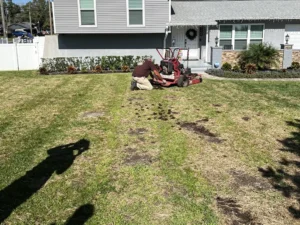
St. Augustine and Zoysia lawns across Florida often develop large patch fungus, which shows up as irregular orange or pink patches tracing the path water takes across the yard. The condition can be unsettling for homeowners who have invested time and resources into a healthy lawn, especially when the damage seems to appear overnight and spread without warning. Humidity, seasonal temperature swings, and heavy rainfall all play a role in why Central Florida lawns are more susceptible to fungal outbreaks than turf in drier climates. Copperhead Property Maintenance is a locally owned and operated company serving Lutz, FL, and nearby communities, offering routine mowing, fertilization, full landscape transformations, and seasonal cleanups. Care built around Florida’s climate keeps turf healthier and more resilient all year long, reducing the chances that a fungal outbreak takes hold in the first place and giving property owners a clear path back to a healthy lawn when one does appear.
Key Takeaways
- Large patch fungus attacks St. Augustine and Zoysia lawns during Florida’s cooler months.
- Irregular orange or pink patches follow water flow patterns across the turf.
- Accurate identification determines whether lawn fungus treatment will succeed or fail.
- Reducing turfgrass stress through proper mowing and fertilization prevents fungal outbreaks.
What is attacking my Florida lawn?
Florida’s warm, humid climate gives fungal pathogens exactly what they need to take hold. Most turfgrass diseases here are fungal, and according to UF/IFAS Gardening Solutions, each one is only active for a few months out of the year. That narrow window makes the climate both a challenge and an advantage: a challenge because conditions favor rapid fungal spread once a pathogen establishes itself, and an advantage because knowing when each disease is active lets homeowners and property managers target prevention and treatment instead of guessing year-round. Lawns that receive consistent care tend to weather these seasonal windows with far less visible damage than lawns left to fend for themselves.
How does Florida’s climate encourage lawn fungus?
Heat and moisture are a tough combination for Florida lawns to fight off. Together they let fungal pathogens spread quickly across turfgrass, and because these conditions stick around for much of the year, different fungi get a long window to find and infect vulnerable lawns.
What are the most common fungal diseases in Florida turf?
Council Oxford identifies six primary fungal diseases affecting Florida lawns:
- Brown Patch (Rhizoctonia solani)
- Gray Leaf Spot
- Powdery Mildew
- Red Thread
- Rust Disease
- Take-All Root Rot
Each disease has its own favorite grass type and season. Getting the right diagnosis is what decides whether lawn fungus actually works or ends up wasted.
Which grass types face the highest risk?
St. Augustine and Zoysia lawns take the hardest hit from large patch fungus once the weather cools down. The LawnCareNut notes the disease starts with an orange cast that can shift to pink, and the patches aren’t random: they follow wherever water moves across the turf. Wait too long to respond, and affected areas can double in size within weeks. For broader prevention strategies, 5 Essential Lawn Care Steps for Perfect Turf covers the maintenance habits that lower disease risk.
Copperhead Property Maintenance delivers consistent, high-quality lawn care to keep your grass healthy and your curb appeal strong. Our technicians know how to tell fungal damage apart from irrigation issues or pest activity, so you’re not paying for the wrong fix. That accuracy means faster recovery for your lawn.
How do I identify lawn fungus symptoms?
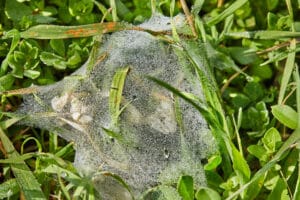
Yellow patches that show up seemingly overnight are usually a sign of a fungal infection. A strange film coating the grass blades is another clear warning, and in some cases the texture of the turf itself changes before any obvious patch forms, feeling greasy or slick underfoot during the early hours of the morning. Even attentive property owners across Florida can struggle to tell disease apart from pest damage or a maintenance issue, since symptoms like thinning turf and discoloration can overlap across several different causes.
Lawn fungus treatment starts with getting the diagnosis right. The University of Florida’s IFAS Gardening Solutions program recommends ruling out physical damage first, before assuming fungus is to blame. Pesticide damage, mowing too short, or a leaking fuel can all mimic disease symptoms. Ruling those out first narrows things down considerably.
What does large patch fungus look like in Florida lawns?
Large patch fungus leaves irregular patches that trace water flow across the turf. Because the disease moves with drainage, it creates distinctive streaking instead of neat circles. In the early stages, affected grass blades take on an orange or pink cast. St. Augustine and Zoysia lawns are most at risk during Florida’s cooler, wetter months.
How can property owners distinguish fungus from other lawn problems?
A careful inspection will usually reveal what’s really behind the decline. Here’s how to work through it:
- Examine the pattern of damage across the entire lawn, noting whether patches follow water drainage lines or appear randomly.
- Check grass blades for visible film, discoloration, or lesions that indicate active fungal growth.
- Rule out mechanical causes by reviewing recent mowing height, chemical applications, and equipment maintenance.
- Contact the county Extension office for confirmation when symptoms remain ambiguous.
Fungal diseases in Florida turfgrasses are only active for a few months each year, so timing is another useful clue. If patches grow during humid, overcast stretches and slow down when it’s dry, that points strongly to fungus rather than pests or a nutrient gap.
What are the best cultural practices to prevent fungus?
Preventing lawn fungus in Florida really comes down to keeping turfgrass stress low. According to UF/IFAS Gardening Solutions, lawn diseases take hold based on the environment and how stressed the turf already is. Each fungal disease is only active for a few months a year, but a stressed lawn can turn that short window into a longer, more severe outbreak. Homeowners who skip the basic cultural practices end up losing healthy turf that proper care would have protected. Stress can come from more sources than most people expect: compacted soil, improper irrigation scheduling, nutrient deficiencies, and even mowing at the wrong height all weaken turfgrass defenses well before a single fungal spore ever lands.
Copperhead Property Maintenance tackles these risks with consistent, professional care. We provide fertilization services that keep lawns healthy through every season, and mowing on a regular schedule helps promote healthier grass and ward off disease. We treat every yard like it’s our own, pairing professional equipment with careful attention to detail.
What mowing habits reduce fungus risk in Florida lawns?
Here’s how to keep fungal pressure down:
- Mow at the correct height for the grass species. St. Augustine and Zoysia need taller cuts to shade the soil and retain moisture balance.
- Keep mower blades sharp. Dull blades tear leaf tissue, creating entry points for fungal pathogens.
- Mow on a consistent schedule rather than letting grass grow excessively between cuts. Copperhead’s regular mowing service supports this practice.
- Remove clippings when disease is active. Excess thatch traps humidity against the turf.
How does fertilization help prevent lawn fungus?
Balanced fertilization gives turfgrass what it needs to stand up to environmental stress. It’s one of Copperhead’s core services, delivering the nutrients that support strong root development and resilient leaves. A well-fed lawn bounces back faster from minor fungal activity, while skipping fertilization leaves turf exposed during Florida’s humid, high-pressure months.
For property owners seeking dependable support, lawn maintenance services from Copperhead combine mowing, fertilization, and attentive care tailored to Florida conditions.
When should I apply fungicide in Florida?
Fungicide timing in Florida follows the disease cycle, not the calendar. Lawn fungus treatment works best when it’s applied during the brief seasonal windows when pathogens are actually active and doing damage. Applying fungicides in winter often backfires. The LawnCareNut points out that winter applications slow recovery, since grass grows slowly under shorter days and cooler temperatures: mowing frequency can drop to every 7 to 10 days, a sign of how little growth is happening. Treating already-dormant turf just adds stress, delaying green-up once warm weather returns.
What happens if fungicide is applied during winter?
The grass simply can’t outgrow the damage. Fungal patches stick around longer because the turf doesn’t have the vigor to push new growth through the affected areas, so recovery stalls. Property owners who treat during dormancy end up trading a temporary cosmetic issue for bare spots that linger well into spring.
When does lawn fungus treatment work best in Florida?
The key is targeting each pathogen’s active window. Most Florida turf diseases are only active for a few months out of the year. Large patch fungus thrives in fall and early spring, when temperatures sit between 60°F and 75°F, and treating during that stretch stops it before it spreads through St. Augustine and Zoysia lawns. Summer diseases call for a different schedule altogether.
A professional assessment takes the guesswork out of it. Copperhead Property Maintenance offers reliable lawn care that identifies active disease threats and times treatments precisely, and our monthly subscription plans keep that monitoring going year-round. Trained technicians catch early symptoms and only treat when conditions actually favor disease activity, which keeps you from wasting applications or stressing turf during a vulnerable dormant period.
How do I treat an active fungus outbreak?
Treating an active fungus outbreak starts with getting the diagnosis right and making some immediate changes to care. Left untreated, fungal disease can quickly take down an otherwise healthy lawn, turning a small discolored patch into a sprawling dead zone within a matter of weeks. The steps below help homeowners identify, prevent, and treat the fungal problems that show up most often on Florida lawns, and following them in order matters: skipping straight to fungicide without addressing irrigation and mowing habits often means the outbreak returns shortly after treatment.
Lawn fungus treatment in Florida calls for a methodical approach. Warm-season grasses like St. Augustine and Zoysia are under constant pressure from pathogens that thrive in humidity. Here’s how to respond effectively.
What should I do first when I spot fungus in my Florida lawn?
- Stop all irrigation immediately. Excess moisture fuels fungal spread across turf. Allow the lawn to dry completely before resuming any watering schedule.
- Mow at the proper height with sharp blades. Dull blades tear grass, creating entry points for pathogens. Remove no more than one-third of the leaf blade.
- Collect and dispose of clippings from infected areas. This prevents spores from spreading to healthy sections of the yard.
- Apply a targeted fungicide labeled for the specific disease. Always follow label instructions precisely for application rates and intervals.
Can my lawn recover from severe fungus damage?
Recovery depends on how far the infection spread and which turfgrass variety you have. Some lawns bounce back once watering and nutrition are corrected; others need more intensive help. Copperhead Property Maintenance offers landscape transformation services to restore damaged lawns, including sod installation and fertilization to rebuild turf density once the disease clears.
When should I call a professional for lawn fungus?
If patches keep spreading despite your best efforts at home, it’s time to call in a professional. Misidentifying the problem just leads to wasted products and conditions that get worse, not better. Copperhead Property Maintenance is a locally owned company serving Lutz, FL, and nearby communities with reliable lawn care, and our team evaluates the specific pathogen and soil conditions before recommending a recovery plan. Comprehensive lawn care services in Lutz address both the immediate outbreak and the underlying conditions that let it take hold.
FAQ
What grass types does large patch fungus attack in Florida?
Large patch fungus attacks St. Augustine and Zoysia lawns during Florida’s cooler months, producing irregular orange or pink patches that follow water flow.
How does Copperhead Property Maintenance identify lawn fungus?
Copperhead Property Maintenance technicians distinguish fungal damage from irrigation problems or pest activity, preventing wasted treatments and accelerating lawn recovery.
What are the most common fungal diseases in Florida turf?
Council Oxford identifies six primary fungal diseases: Brown Patch, Gray Leaf Spot, Powdery Mildew, Red Thread, Rust Disease, and Take-All Root Rot.
Conclusion
Treating Florida lawn fungus well comes down to timing, disciplined care, and getting the diagnosis right instead of guessing. Property owners who stop irrigation, mow correctly, and apply fungicides during the right windows give their turf the best shot at recovery. When patches persist or keep spreading despite your efforts at home, a professional assessment can pin down the true pathogen and the conditions behind it. A consistent maintenance plan, with proper mowing, fertilization, and year-round monitoring, keeps St. Augustine and Zoysia lawns healthy through every Florida season and helps the problem stay gone for good.